
The Economic Benefits of Preserving Civil War Battlefields
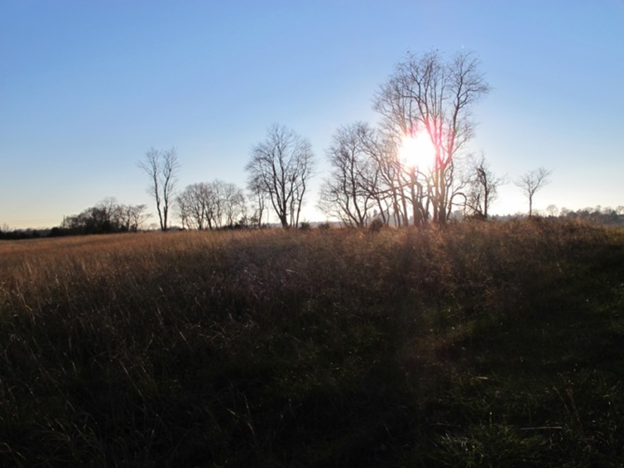
There are many significant benefits to preserving our nation’s battlefields. In addition to teaching valuable lessons about our country’s past and memorializing those who sacrificed their lives in service, battlefields act as a magnet for economic development through heritage tourism. According to the 2014 National Park Visitor Spending Effects report, the four major historical NPS […]
Stories of Slavery in Familiar Landscapes

Neither the preliminary announcement released on September 22, 1862, nor the Emancipation Proclamation of January 1, 1863 freed a single slave in Maryland. Because President Abraham Lincoln’s policy only affected states in rebellion, abolition was delayed in Maryland until a new state constitution went into effect in November 1864. Votes from Maryland’s Union soldiers at […]
Tolson’s Chapel: A Place of Perseverance and Triumph
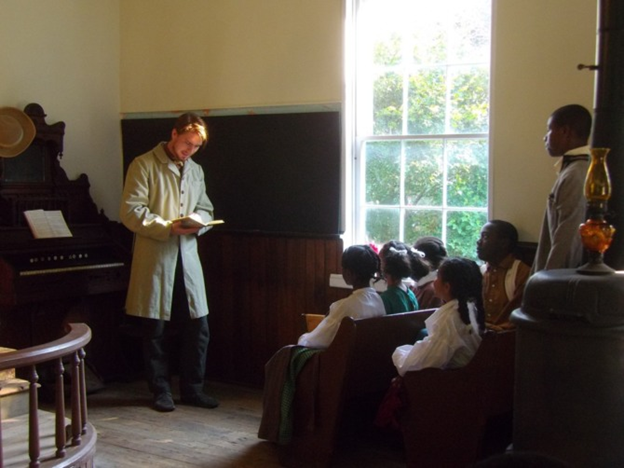
Most people are familiar with the Battle of Antietam (or Battle of Sharpsburg). Many are aware that President Lincoln issued the preliminary Emancipation Proclamation in September 1862 following the Union “victory” at Antietam, freeing the slaves in the states in rebellion. But did you know that the Emancipation Proclamation did not apply to the slaves […]
Exploring Frederick County’s Railroad History
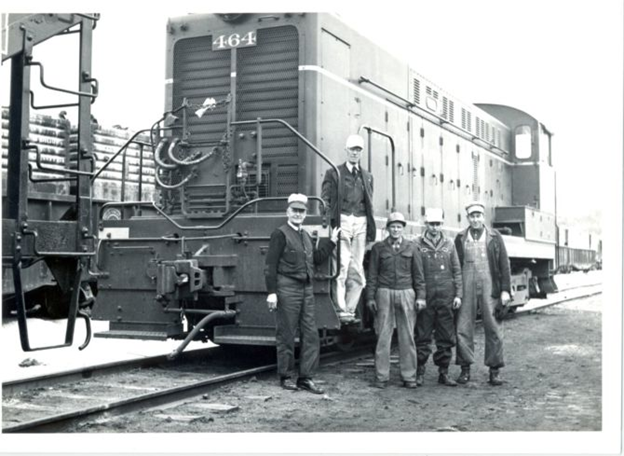
Note: This post originally appeared on the Visit Frederick blog Frederick County, Maryland, is well known for its diverse architecture and rich history. Railroads played an important part in the county’s past. This bustling agricultural community had many mills and factories in the area that needed to deliver goods like flour, milk, bricks and limestone […]
Paying with their Lives: Townsend Reports on the Lincoln Conspirators’ Execution
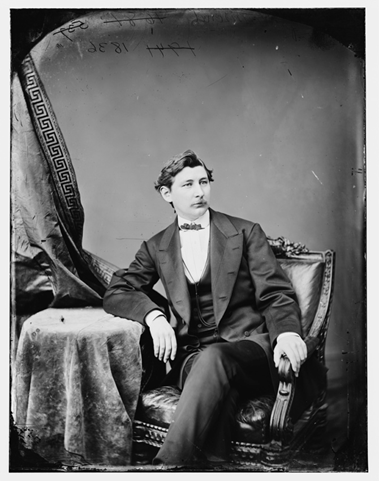
On this date 150 years ago, the nation faced a dramatic and divisive moment—a memorable day even for those who had just endured four years of bloodshed and destruction wrought by the Civil War. A military tribunal had found Lewis Powell, David Herold, George Atzerodt and Mary Surratt guilty for their involvement in the assassination […]
A Community Collaboration Success Story: Saving the Uniontown Bank
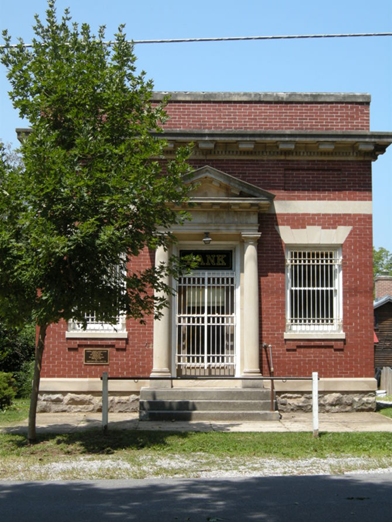
The former Carroll County Savings Bank, constructed in 1907, stands as one of the few commercial buildings left within the National Register-listed Historic District of Uniontown. The bank has been vacant since the 1970s, with many of the original features preserved like a time capsule inside. Although the building was threatened with demolition last summer, […]
Turmoil frozen in marble: Borglum’s “Head of Abraham Lincoln”
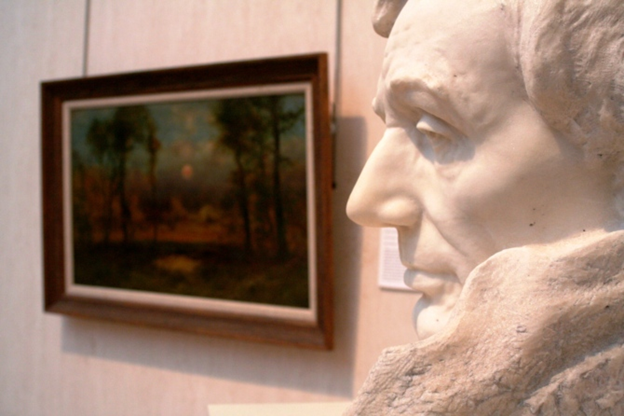
Located in an honored place in the United States Capitol building is a monumental bust of Abraham Lincoln, sculpted in 1908 from a single block of marble by the artist John Gutzon Borglum (1867–1941)—best known for his colossal Mount Rushmore sculpture. Later bronze casts of the bust can be found in the collections of the […]
Experiencing History in the Great Outdoors: Where Recreation & History Intersect

Visitors from across the world are drawn to the Heart of the Civil War Heritage Area to walk the ground hallowed by the Civil War, more than 150 years ago. The Heart of the Civil War, however, has more to offer beyond its position in American history. The stunning natural landscape sculpted by the Piedmont […]
Poetry Month in the Heart of the Civil War: Literary Connections Abound
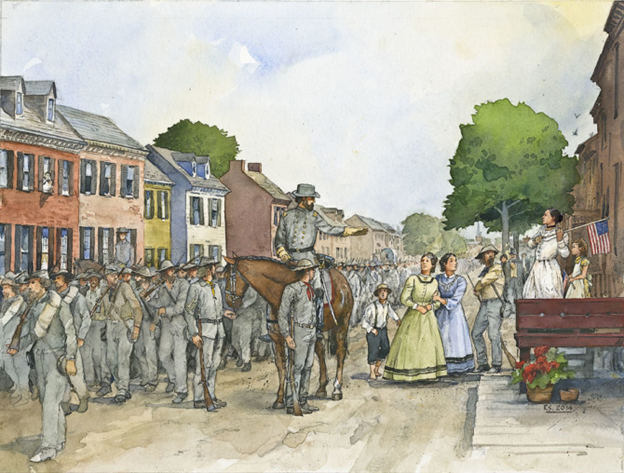
The old adage “the pen is mightier than the sword” holds meaning for several events and personalities tied to the Heart of the Civil War. Civil War poetry and reporting, plus future works of wartime participants, have roots within the Heritage Area. John Greenleaf Whittier’s 1863 poem “The Ballad of Barbara Fritchie” had a positive […]
George Alfred Townsend: Larger-than-Life Literary Luminary
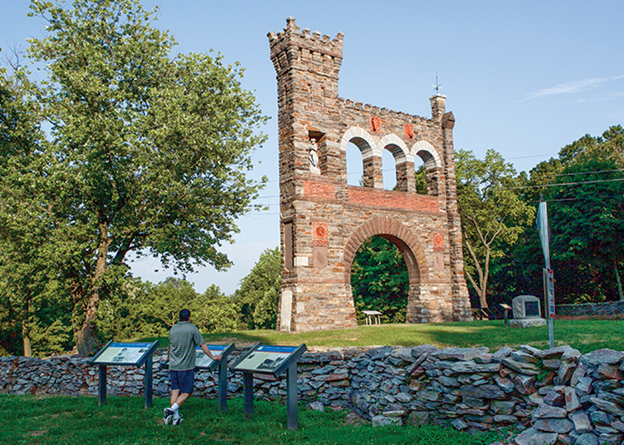
Although hardly a household name today, George Alfred Townsend—also known by his pen name, “Gath”—gained quite a following in the late 19th century for his reporting during the Civil War and the literary career he built afterwards. The Frederick Post described Townsend in an October 1946 article as a “glamorous war chronicler, novelist, poet, journalist […]